Multi-Format HDR10 and Dolby Vision Processing
Multi-Format HDR10 and Dolby Vision Processing
The Future of High Dynamic Range Video
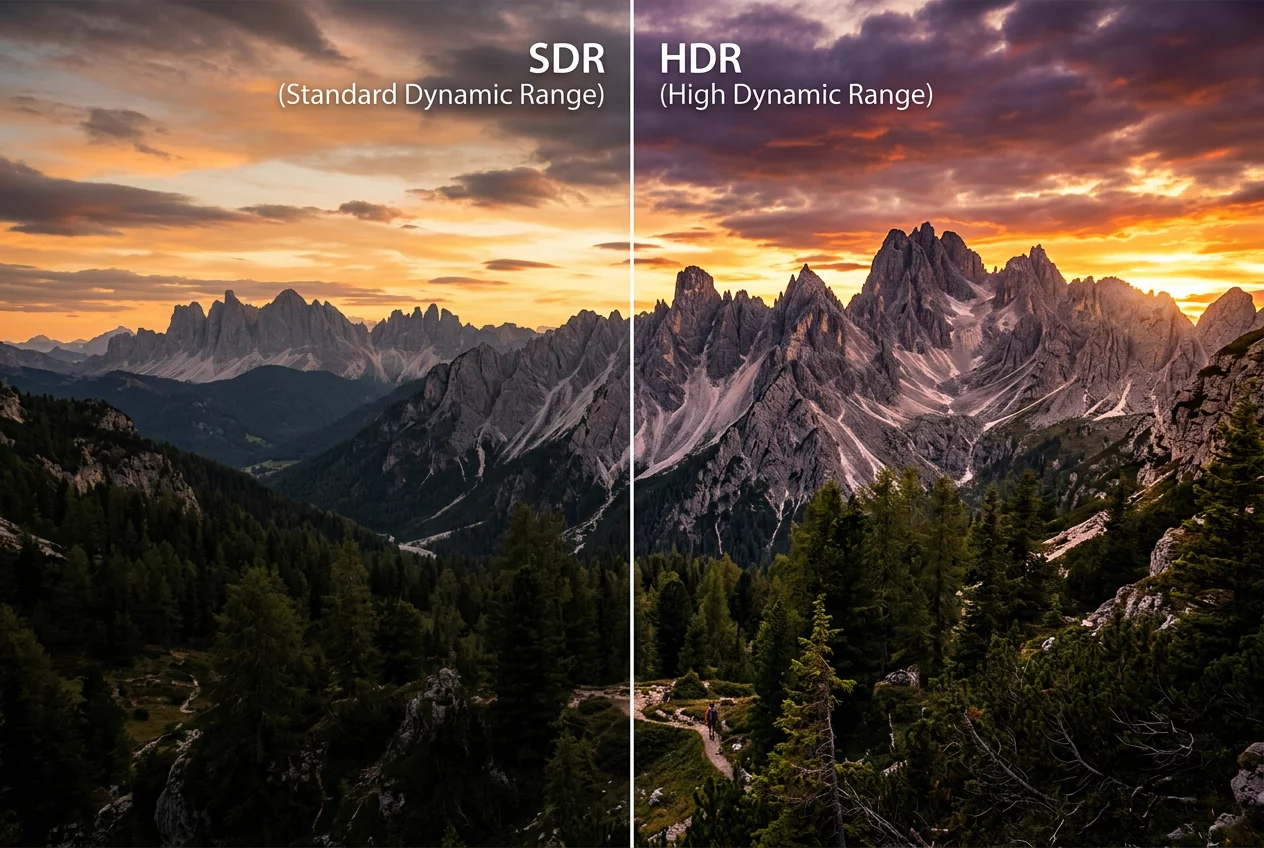
High Dynamic Range (HDR) represents the biggest leap in picture quality since the move to high definition. It provides deeper blacks, brighter highlights, and a wider color palette that more closely mimics human vision. Turnexedic provides comprehensive support for the leading HDR formats, including HDR10, HDR10+, and Dolby Vision. The software handles the complex metadata required to tell a television exactly how to display each scene. It ensures that the creative intent of the cinematographer is preserved, whether the content is viewed on a high-end OLED display or a standard smartphone screen. Processing HDR requires precision, and the system uses a 10-bit or 12-bit pipeline to prevent banding and color artifacts.
Mastering the HDR to SDR Workflow
While HDR is the goal, a large portion of the audience still uses Standard Dynamic Range (SDR) displays. Managing two separate workflows is expensive and time-consuming. The software solves this with high-quality tonemapping algorithms. These tools automatically convert HDR sources into SDR versions while maintaining as much of the original look as possible. The algorithm analyzes the brightness levels of the source and intelligently compresses them into the SDR range. This ensures that the highlights don't blow out and the shadows don't lose detail. With Turnexedic, one master file can serve all audiences, simplifying the distribution process significantly.
Handling Dynamic Metadata
Formats like Dolby Vision and HDR10+ use dynamic metadata to adjust the picture on a frame-by-frame basis. This level of control allows for much more impactful visuals compared to the static metadata used in standard HDR10. The processing engine extracts, modifies, or injects this metadata during the transcoding process. To ensure the best results, use these technical steps:
- Verify the source file contains the correct RPU or SEI messages for dynamic HDR.
- Select the appropriate color space (usually Rec.2020) for the output file.
- Apply the correct transfer function, such as PQ (Perceptual Quantizer) or HLG.
- Check the MaxCLL and MaxFALL values to ensure they fall within the target display's limits.
Professional Color Fidelity
Color accuracy is paramount in professional video production. The software supports a wide range of color primaries and transfer characteristics. It allows for the application of 3D LUTs (Look-Up Tables) during the transcode, giving editors the power to apply specific color grades or technical corrections in bulk. This feature is particularly useful for dailies or when preparing content for different regional markets. The engine maintains the integrity of the color data throughout the processing chain, ensuring that the final output matches the source perfectly. Turnexedic provides the tools needed to deliver stunning, color-accurate content at scale.
Simplified HDR Distribution
The complexity of HDR can be daunting for many broadcasters and streaming services. The software hides this complexity behind an intuitive interface and automated presets. Users can select the target format and the software takes care of the rest, from bit-depth conversion to metadata packaging. This democratization of high-end technology allows smaller studios to produce content that rivals the quality of major Hollywood productions. As HDR becomes the standard, Turnexedic ensures that its users stay ahead of the curve, delivering the most immersive visual experiences possible to their viewers.
If you can envision it, then we can build it.
Contact Us
Turnexedic
Turnexedic is a software provider focused on media processing technology. We offer tools for video transcoding, helping businesses manage digital content efficiently. Our platform supports various formats and delivery standards globally.
Menu
Contacts
-
- Location:
- 8793, West Dahlia Drive, Peoria, 85381, United States
-
- Phone:
-
- E-mail:
- turnexedic-subscribe@yahoo.com